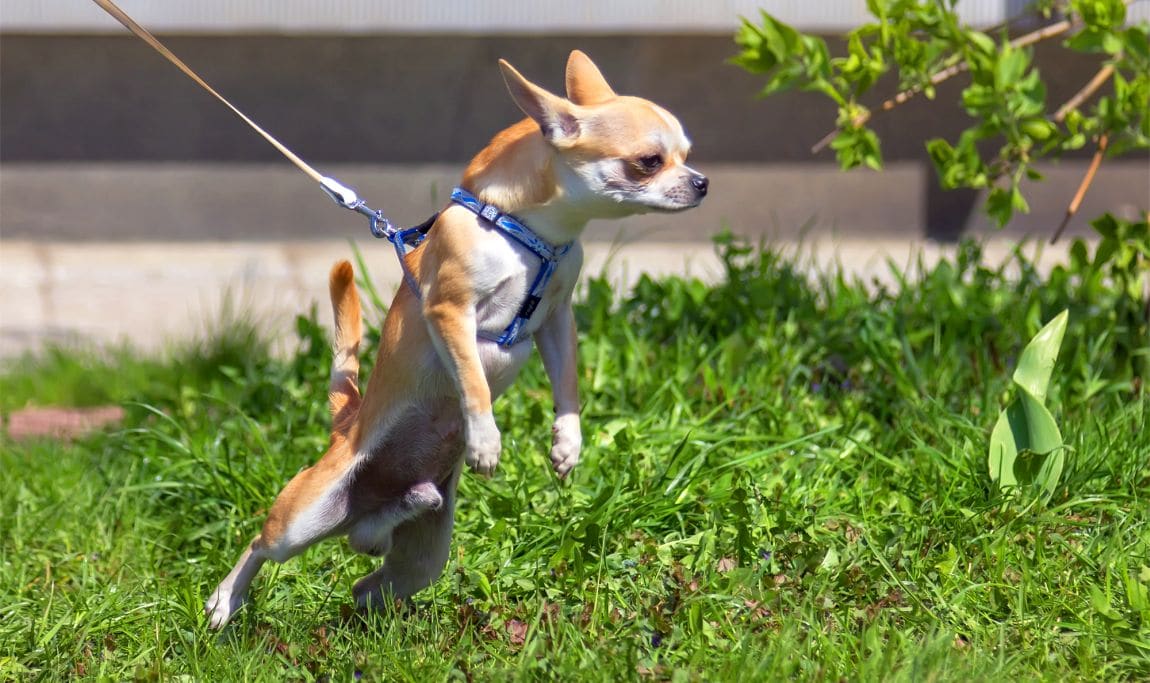
Predatory motor action patterns (PMAPs) are one of the most misunderstood aspects of canine behavior. Too often mislabeled as “aggression,” these instinctive sequences are actually hard-wired movement patterns rooted in a dog’s evolutionary history as a hunter. Understanding PMAPs helps caregivers interpret behaviors with clarity and empathy — and design enrichment that satisfies natural drives safely.
🐾 What Are Predatory Motor Action Patterns?
Predatory motor action patterns are innate, sequential behaviors that originally evolved to help ancestral canids hunt and capture prey. These patterns are composed of predictable phases:
- Search/Orient — scanning the environment
- Stalk — slow, focused movement toward a target
- Chase — rapid pursuit of movement
- Grab-Bite — seizing the target
- Kill/Shake — holding and shaking
- Dissection — tearing apart
Each phase is a motor sequence — meaning it’s a pattern of movement that the nervous system can execute once triggered. These are not emotional responses like fear or anger; they are goal-directed actions backed by neural circuits designed for efficient execution.
Genetic and Neurobiological Foundations
PMAPs are rooted in genetics and neurobiology. While there isn’t a single “prey drive gene,” research into canine genetics and behavior shows that:
- Genetic Selection Shapes Drive Profiles
Domestic dogs have been bred for working roles that amplify certain PMAP components. For example:
- Herding breeds (Border Collies, Australian Shepherds) show enhanced orient and chase inhibition — they focus on moving targets but inhibit capture.
- Terriers have stronger grab-bite and kill/hold tendencies — ideal for vermin control.
- Sight hounds (e.g., Greyhounds) demonstrate strong search and chase behaviors driven by visual motion.
- Dopaminergic Reward Systems
The brain’s dopamine pathways (e.g., mesolimbic system) play a key role in reinforcing sequences that lead to successful outcomes: movement → pursuit → acquisition. When a dog successfully completes part of a predatory sequence, dopamine release provides a neurochemical reward, making the behavior more likely to recur.
PMAPs vs. Aggression: Why It Matters
Understanding the difference between predatory motor action patterns and aggression is critical because each arises from entirely different underlying mechanisms and therefore requires very different responses. PMAPs are non-emotional, goal-directed motor sequences triggered by movement, sensory cues, and opportunity, whereas aggression is rooted in emotional states such as fear, frustration, pain, or perceived threat. When these two are conflated, dogs are often subjected to inappropriate interventions—such as punishment, suppression, or aversive tools—that increase stress and dysregulation without addressing the actual driver of behavior. Labeling a dog as “aggressive” for expressing a predatory sequence can also shift how caregivers emotionally relate to their dog, replacing curiosity and support with fear or mistrust. From a learning and nervous-system perspective, this misinterpretation matters deeply: fear-based aggression requires safety, predictability, and emotional healing, while predatory motor patterns call for management, structured outlets, and enrichment that respects instinct. When we accurately identify which system is at play, we can respond in ways that protect safety and preserve the dog’s emotional well-being, allowing behavior change to happen through understanding rather than suppression.
Common Expressions of PMAPs in Daily Life
PMAPs show up in everyday contexts:
- Chasing bikes, skateboards, joggers
- Stalking small animals or birds
- Tug-of-war and fetch games
- Grabbing moving objects (toys, balls)
These behaviors can be fun and fulfilling — when they happen in safe, structured ways.
Enrichment Strategies That Respect Drive and Build Skills
Rather than suppressing instinctive patterns, we can channel them into fulfilling, safe activities. Below are practical enrichment ideas:
- Structured Chase Games
Games like fetch with rules (retrieve → release → reward) give dogs a safe outlet for pursuit and acquisition. Be clear with cues like “get it,” “come,” and “drop it” so the pattern has predictable boundaries.
- Targeting and Scent Work
Predatory sequences don’t only run on visual movement. Incorporate scent tracking, hide-and-seek, and puzzle toys that satisfy search and orient behaviors without uncontrolled chasing.
Examples:
- Treat trails using scent
- Hide treats in boxes or tubes
- Nosework games with scent targets
- Tug-of-War With Structure
Tug taps into grab-bite and hold tendencies. Establish clear rules:
- Start on cue
- Pause on release cue
- Reward calm engagement
This helps the dog learn impulse control within the motor pattern.
- Controlled Movement Cues
Practice movement-based cue games:
- Walking backward and forward on cue
- Move-and-stop games (dog moves only when you move)
- “Freeze” games during walk
These exercises build attentional control around movement — reducing uncontrolled PMAP activation.
- Cognitive Challenges
Brain games stimulate executive function and choice, which helps dogs develop alternatives to pure motor sequences:
- Problem-solving toys
- Training sessions with novelty
Working With a Professional
If a dog’s predatory behaviors pose management challenges (e.g., toward small animals or bicyclists), a force-free, behavior-science professional can design a tailored plan. They can help disentangle overlapping motivations (fear, frustration, drive) and build reinforcement-based alternatives.
In Summary
Predatory motor action patterns are a natural part of canine biology, shaped by genetics, neurobiology, and lifelong learning. They are not aggression — but they do generate behaviors that can be risky without guidance.
By:
- appreciating what PMAPs are,
- differentiating them from emotional aggression,
- and offering enrichment that satisfies instinct within safe boundaries,
we help dogs lead richer, more balanced lives — and strengthen the human-dog bond.