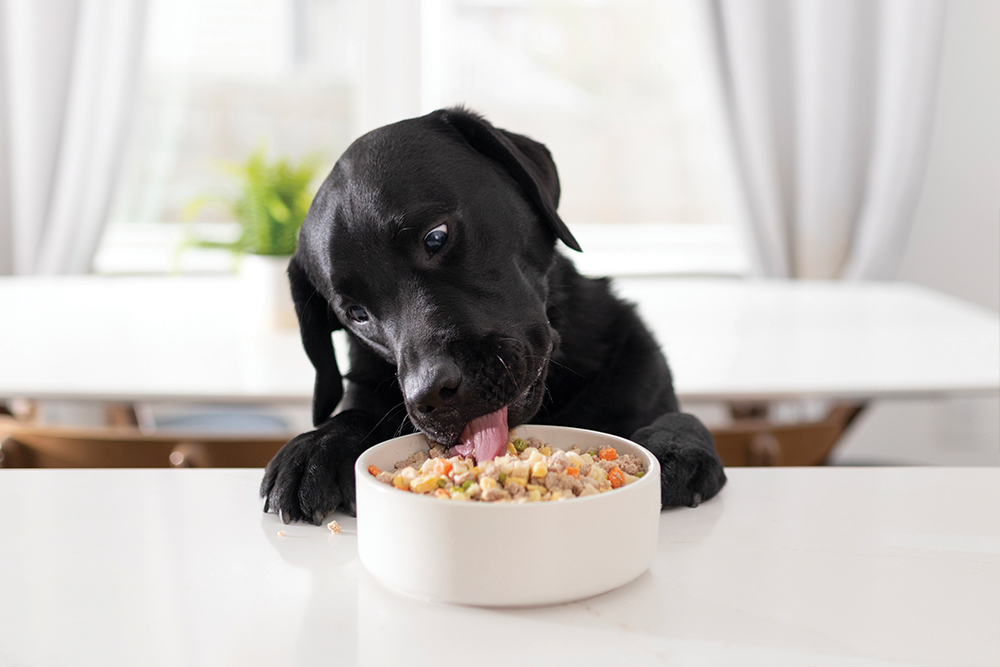
Sharing food is a deeply human way of connecting. It makes sense that many dog guardians want to include their dogs in that ritual—especially when we’re cooking real, whole foods for ourselves. The question isn’t whether dogs can eat human food, but how to do it safely, intentionally, and in a way that supports their physical and emotional well-being.
Like most things in dog care, the answer isn’t black and white.
The Problem Isn’t “Human Food”—It’s How It’s Used
The phrase “human food is bad for dogs” is misleading. Dogs evolved alongside humans and historically ate many of the same whole foods. The real issues arise when:
- Foods are highly processed
- Ingredients are toxic or irritating to dogs
- Portions are unbalanced or excessive
- Food is used emotionally rather than intentionally
When food becomes a coping tool for guilt, stress, or appeasement, it can unintentionally create behavioral, digestive, or metabolic issues.
Benefits of Feeding Appropriate Human Foods
When done correctly, incorporating human foods into your dog’s diet can:
- Improve nutritional variety
- Support gut health
- Increase palatability for picky or stressed dogs
- Strengthen the human–dog bond
- Provide mental enrichment
Whole foods can be especially helpful for dogs dealing with chronic stress, anxiety, or recovery from illness when used thoughtfully.
Safe Human Foods for Dogs (In Moderation)
These foods are generally safe for most dogs when plain, cooked appropriately, and served in small amounts:
Proteins
- Plain cooked chicken, turkey, or beef (no seasoning)
- Sardines in water (no salt)
- Eggs (fully cooked)
Vegetables
- Carrots
- Green beans
- Zucchini
- Broccoli (small amounts)
- Pumpkin (plain, not pie filling)
Fruits
- Blueberries
- Apples (no seeds)
- Strawberries
- Watermelon (no rind or seeds)
Healthy Additions
- Plain Greek yogurt (no xylitol)
- Bone broth (low sodium, no onions/garlic)
- Cooked oats or rice
Foods That Are Unsafe or Should Be Avoided
Some foods are toxic, while others are simply too hard on a dog’s system:
- Chocolate
- Grapes and raisins
- Onions, garlic, leeks
- Xylitol (found in sugar-free products)
- Alcohol
- Cooked bones
- Highly seasoned, fried, or fatty foods
Even small amounts of certain foods can cause serious harm, so when in doubt—leave it out.
Portion Size Matters More Than the Food Itself
One of the biggest mistakes is overfeeding, not the food choice.
A few bites of chicken can be appropriate. Half a plate of leftovers is not.
A good rule of thumb:
- Human food should make up no more than 10–15% of your dog’s daily intake unless guided by a professional.
Dogs don’t need variety the same way humans do—but their nervous systems do benefit from predictability.
The Emotional Side of Feeding
Food is powerful. For dogs with anxiety, trauma histories, or overarousal, food can either support regulation—or worsen dysregulation.
Using food to:
- Constantly soothe
- Interrupt discomfort without addressing the cause
- Replace structure or boundaries
…can unintentionally reinforce stress patterns.
Intentional feeding means:
- Offering food calmly
- Avoiding frantic or emotional delivery
- Pairing food with safety, not stimulation
How to Introduce Human Food Safely
If you’re adding new foods:
- Introduce one item at a time
- Start with very small amounts
- Watch stool, energy, and behavior changes
- Avoid mixing too many new foods at once
Dogs communicate discomfort through subtle signals long before obvious symptoms appear.
Final Thoughts
Feeding human food to dogs isn’t inherently bad—or inherently good. Like training, enrichment, and behavior work, it’s about intention, balance, and awareness.
When food is used thoughtfully, it can nourish the body, support emotional regulation, and deepen connection. When used reactively, it can create confusion, imbalance, and stress.
Your dog doesn’t need your leftovers—but they do need your presence, consistency, and care.
And sometimes, a carrot shared with intention is more than enough.